Our Connections with Our Value Chains and Regions

Our Connections with Our Value Chains and Regions
Our business contribute directly to the daily food supply. This entails a responsibility to in develop sustainable plant value chains and a commitment to continuous improvement—both in our products for industrial and food industry stakeholders, as well as those sold directly to consumers.
Our commitment to excellence at every level, as well as our strong roots in our cooperative regions and within our ecosystems, is reflected in many projects we have undertaken and recent initiatives we have launched.
By connecting consumers with industry and agricultural stakeholders, our cooperative group is committed to caring for the land, the grain, and the ingredients within competitive grain and plant value chains. VIVESCIA embraces a positive, forward-looking vision of high-performance, resilient, low-carbon agriculture that promotes soil healts and biodiversity.

Our commitments:
GRAIN, INGREDIENTS AND VALUE CHAINS
FROM WHEAT TO THE KITCHEN WITH FRANCINE
VIVESCIA’S COMMITMENT TO QUALITY
OUR REGIONS AND BUSINESS COMMUNITIES
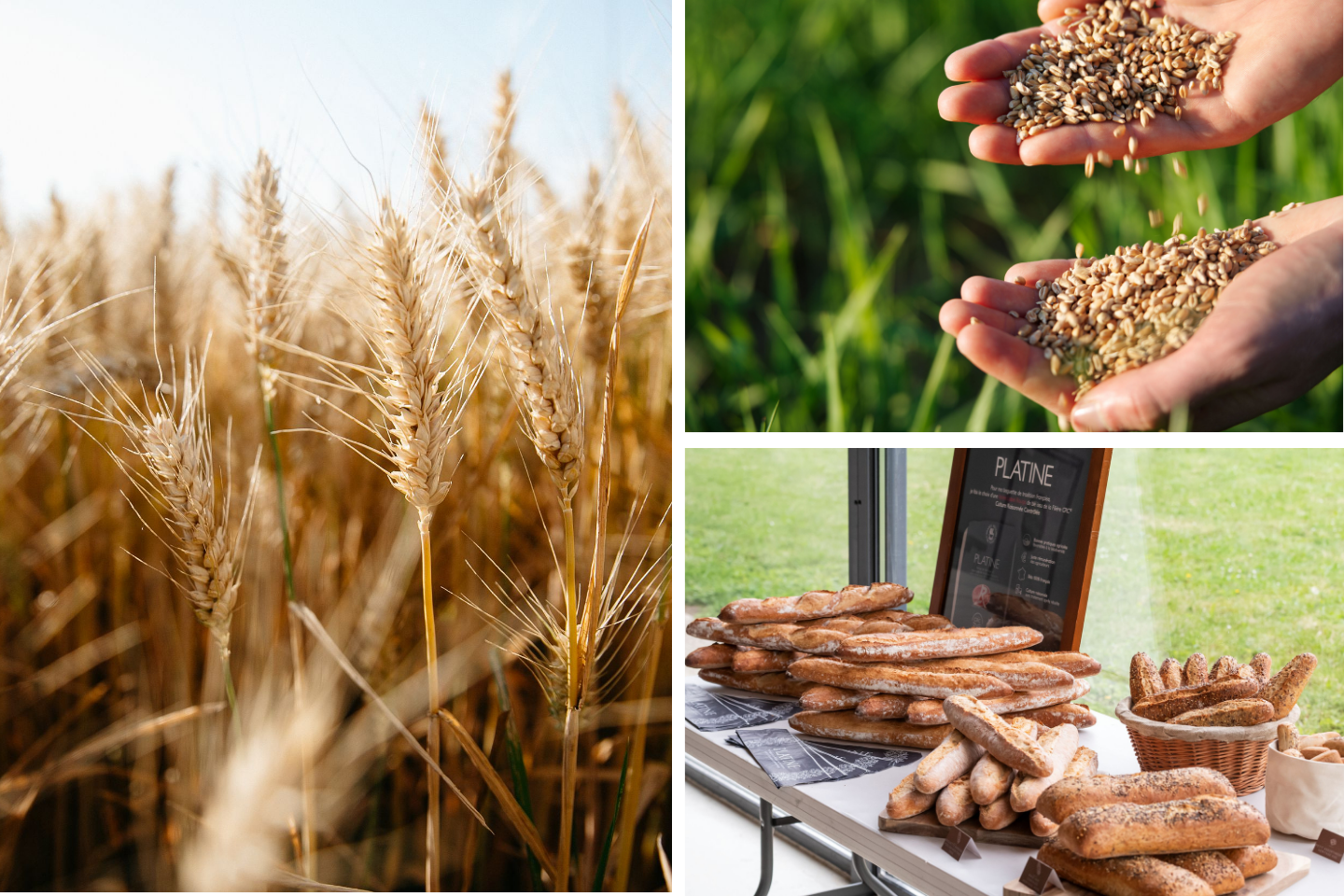

VIVESCIA in action
Socially responsible projects, initiatives, and proof of our commitment
Growing the industry by combining innovation and sustainability.
Our ambition is to become a leader in sustainable plant value chains and grain-based ingredients, and to shape the future of agriculture.
FRANCINE, an increasingly socially responsible brand
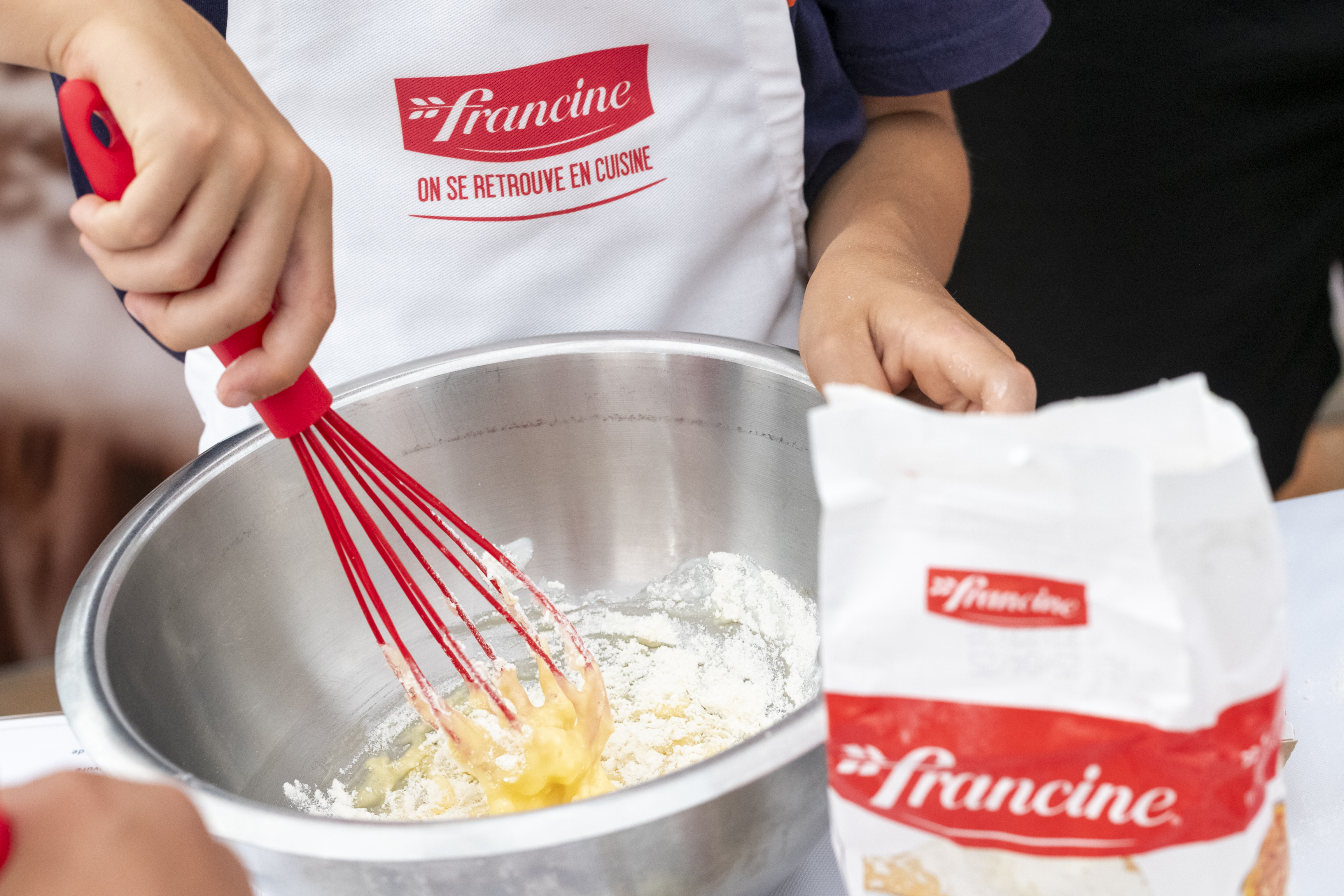
100% of FRANCINE’s wheat is grown in France (excluding wheat gluten), and 100% of its flour is made in France! The FRANCINE Club promotes initiatives aimed at advancing toward increasingly sustainable agricultural practices, certified at a minimum with the Level 2 environmental certification standard (CE2). The cooperative signs a three-year supply contract with the farmer, providing dedicated support from the Cooperative’s agronomic teams, with events and gatherings throughout the year to reinforce the connection from field to fork. More than 300 cooperative members are part of the FRANCINE Club.
With RACINE, FRANCINE is cultivating the future. For over 60 years, the brand has passionately cultivated expertise rooted in France, serving both current and future generations. These core values are embodied in its RACINE Brand Social Responsibility (BSR) initiative, which is part of VIVESCIA’s sustainable development strategy. Co-developed in 2022 following a survey of more than 2,000 consumers, RACINE is built around four key commitments: reducing the environmental footprint of its products; building more sustainable and equitable value chains; promoting healthier eating; and making the most of every grain. And the first tangible actions are already underway.
VIVESCIA Signs a 3-Year Partnership with French Food Banks
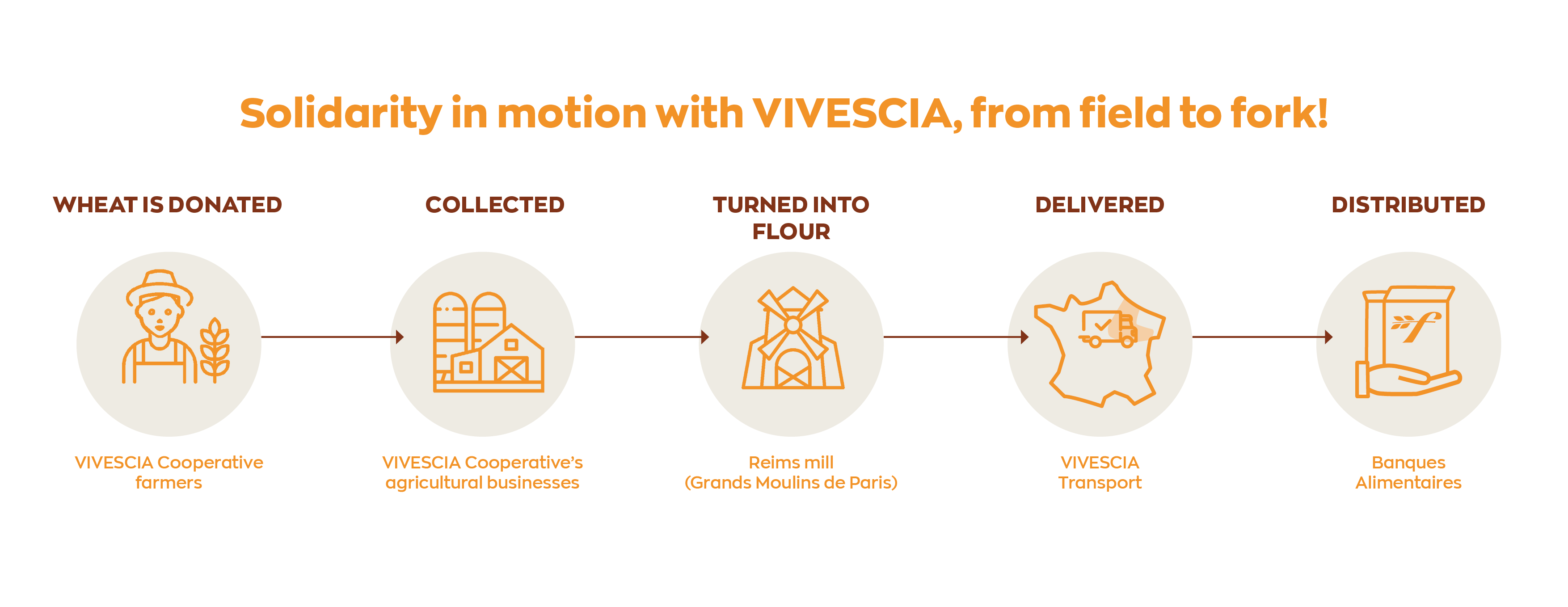
At the 2025 Paris International Agricultural Show, the VIVESCIA Cooperative Group and Banques Alimentaires announced the results of the fourth edition of its wheat donation drive.
VIVESCIA’s entire human chain of solidarity is in motion, from the harvest to the mill. Thanks to the generosity of farmers, the commitment of the Cooperative, Grands Moulins de Paris and Francine, and the support of VIVESCIA Transport, 100,000 packs of Francine flour are delivered to food bank and other local organizations in the north-east of France. This act of solidarity helps meet one-quarter of the French food banks’ annual needs.
Develop Knowledge to Sustainably Transform Agriculture
Partnering with leading academic institutes, VIVESCIA is committed to research aimed at better understanding changes in the agricultural sector and supporting its transformation. From agricultural business models to the agroecological transition, and the links between the bioeconomy and data, these research chairs generate valuable knowledge that drives innovation and supports sustainable value chains.
Play an active role in advancing knowledge about farms and agricultural businesses in France
Established with the support of VIVESCIA and two other cooperatives in October 2021, the GERMEA Research Chair brings together research, education, and the professional world. Ongoing studies focus on understanding the transformations taking place in agricultural businesses in order to support these changes: identifying the how and why behind the accelerated transformation of farms into a variety of new production enterprises, and how these enterprises can build new competitive advantages, create value, and participate in the ongoing restructuring of value chains. The partnership was renewed for three years in 2025.
To be an active player in research and the advancement of knowledge to help farms become more resilient in the face of climate change and biodiversity loss

In 2024, the VIVESCIA Group and UniLaSalle launched a research chair titled “Resilient Farms That Benefit the Climate and Biodiversity.”
Its goal was to address the challenges of the agroecological and low-carbon transition by improving knowledge and stimulating innovation. Conducted in collaboration with INRAE, this research chair is fully aligned with the TRANSITIONS program, led by VIVESCIA and its partners.
To be an active player in research and knowledge generation at the intersection of the bioeconomy, sustainability, and data.
VIVESCIA and NEOMA Business School have announced the signing of a three-year strategic partnership agreement, set to expire in December 2025.
As part of this partnership, the School’s Chair in Bioeconomy and Sustainable Development will work closely with the cooperative to conduct research on the sustainability of regional agriculture and the role of data. VIVESCIA is also committed to contributing to the school’s training programs, drawing on the insights gained through its program for resilient and regenerative agriculture TRANSITIONS.
Passing on baking expertise through the Paris Bakery and Patisserie School (EBP) and helping artisans start their own businesses
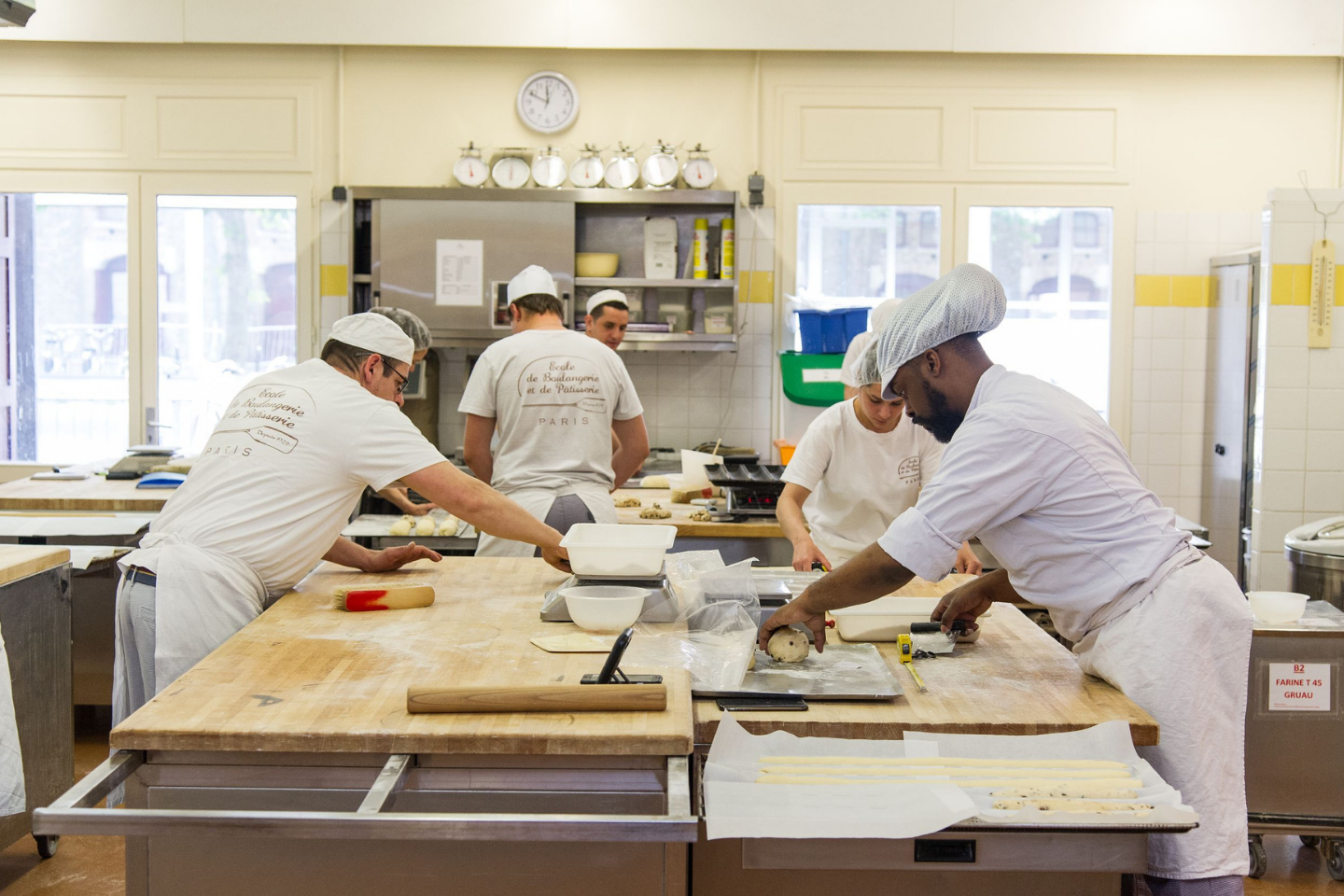
Every year, nearly 450 students come throught the Paris Bakery and Patisserie School to earn a vocational certification in the art of bakery and patisseries. The school's pass rate is nearly 100%! Outward-looking, the EBP has also established partnerships with school abroad (including partnerships with two schools in Japan and a Moroccan training center), whose students it hosts.