
Our connections to the Earth
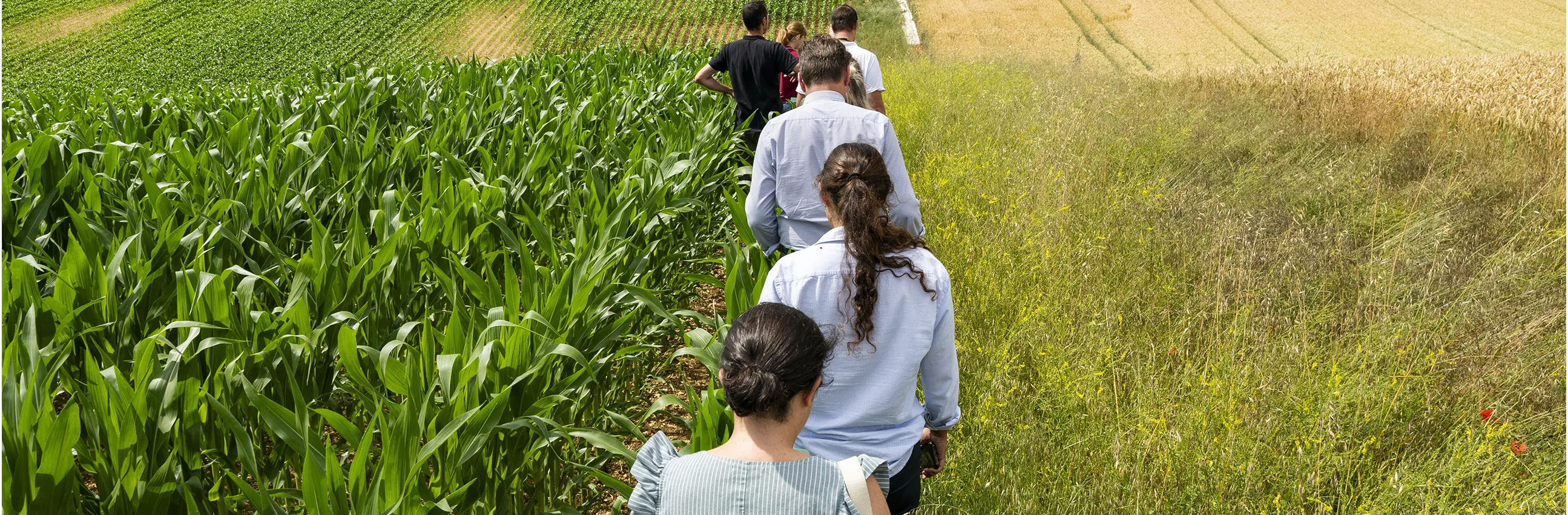
Our connections to the Earth
At VIVESCIA, we’re already taking action—working alongside farmers in the fields, on our production sites, and throughout our profucts' entire lifecycle. We are taking concrete to develop the agricultural practices of tomorrow while strengthening the resilience of various cropping systems in the face of climate-related risks. This approach takes into account the entire value chain, enabling us to take action across the Cooperative’s regions and its subsidiaries, on VIVESCIA Ingredients sites, and throughout the raw material supply chains at every level.

Our commitments
CLIMATE, CHANGE MITIGATION AND ADAPTATION
AGROECOLOGICAL TRANSITIONS, BIODIVERSITY & WATER
ENVIRONMENTAL MANAGEMENT
Minimize the environmental footprint of our packaging by focusing on eco-design and the development of recycling.
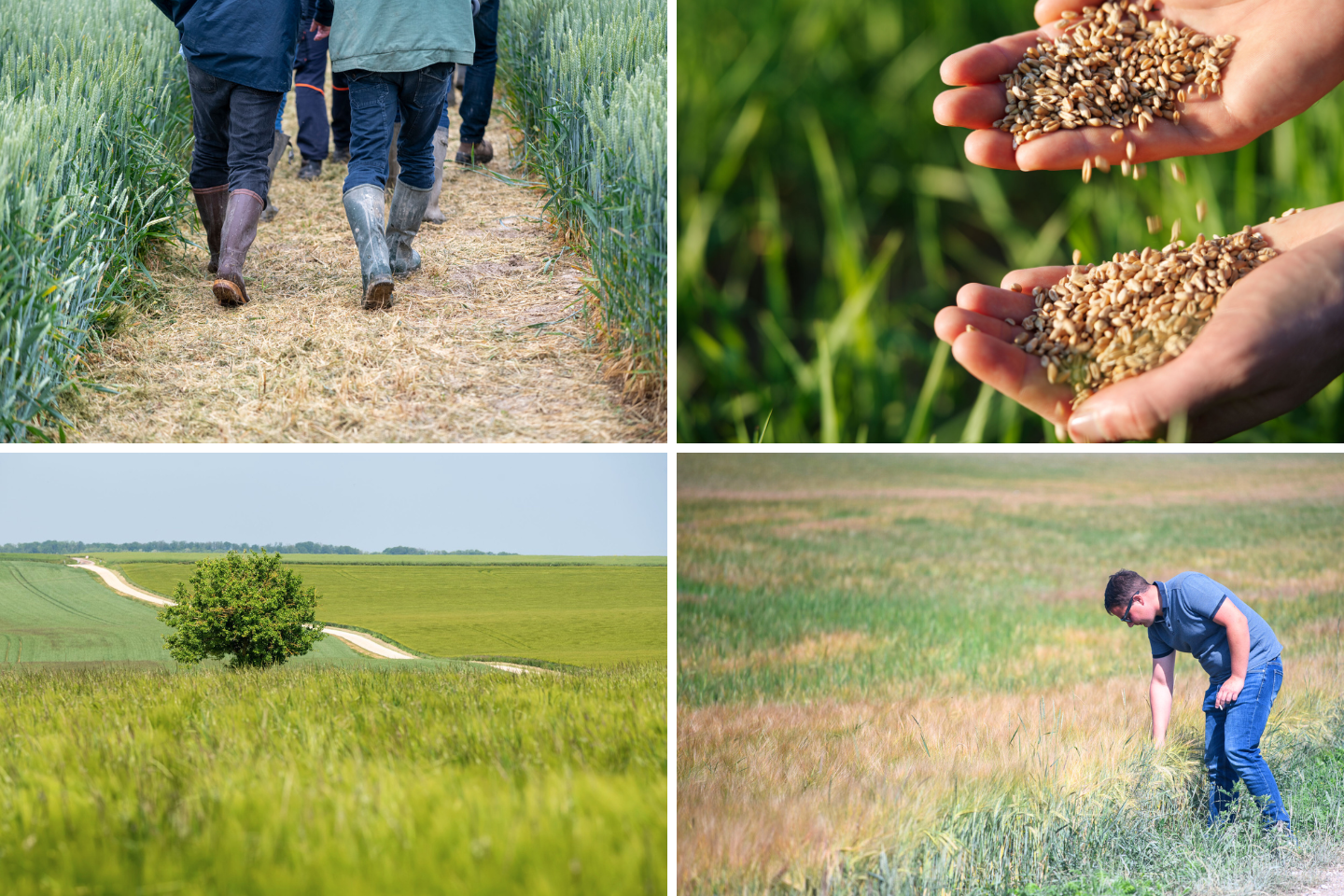

VIVESCIA in action
Socially responsible projects, initiatives, and proof of our commitment
This major commitment is supported by the efforts undertaken for many years by VIVESCIA’s cooperative farmers, with the support of our Cooperative.
In the face of major environmental challenges, our agronomists are dedicated to finding agronomic solutions that address different production methods and are tailored toeach farmer's needs and business.
Through TRANSITIONS—the first large-scale impact-driven program in France and Europe—the VIVESCIA Group and its partners are helping farmers move toward low-carbon, more resilient agricultural practices that promote soil health and biodiversity. TRANSITIONS brings together upstream and downstream stakeholders in plant and grain value chains—in an ambitious, innovative, and robust program aligned with scientific and international standards (GHG Protocol, SBTi Flag, SAI Regen Ag, etc.) and audited by Bureau Veritas.
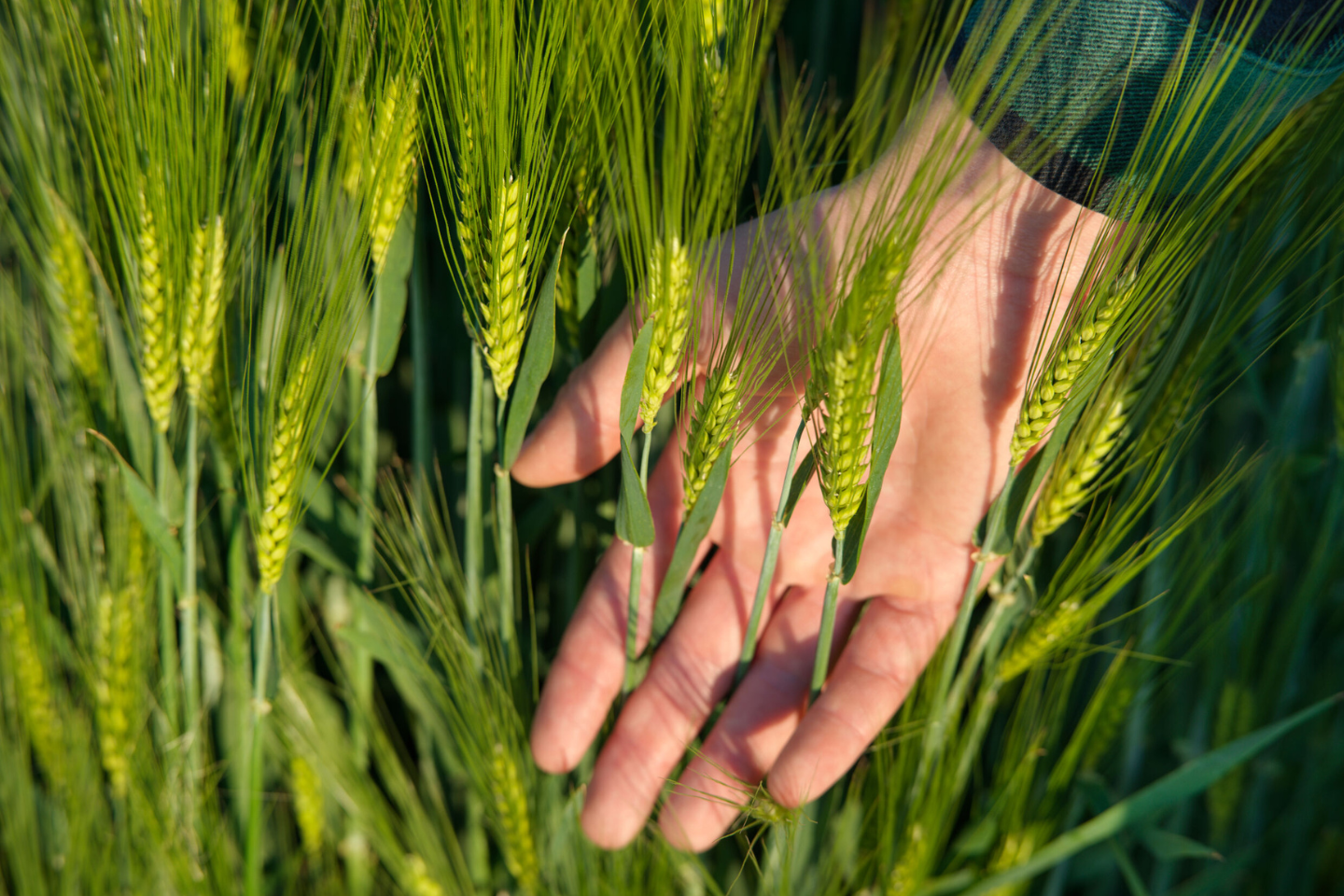
This major commitment is supported by the efforts undertaken for many years by VIVESCIA’s cooperative farmers, with the support of our Cooperative.
In the face of major environmental challenges, our agronomists are dedicated to finding agronomic solutions that address different production methods and are tailored toeach farmer's needs and business.
Through TRANSITIONS—the first large-scale impact-driven program in France and Europe—the VIVESCIA Group and its partners are helping farmers move toward low-carbon, more resilient agricultural practices that promote soil health and biodiversity. TRANSITIONS brings together upstream and downstream stakeholders in plant and grain value chains—in an ambitious, innovative, and robust program aligned with scientific and international standards (GHG Protocol, SBTi Flag, SAI Regen Ag, etc.) and audited by Bureau Veritas.
At VIVESCIA, we are committed to assessing our impacts and dependencies in order to identify the most relevant areas of focus and the most effective actions to ensure the sustainability of our operations. We are making concrete progress, guided by a philosophy of continuous improvement, by undertaking ambitious projects to foster regional growth.
The Symbiose Program in the VIVESCIA Cooperative's region
The partnership between the biodiversity association Symbiose, the Cooperative, and our processing businesses (Malteurop and Grands Moulins de Paris) continues. The companies within VIVESCIA Ingredients are funding three robust projects to preserve and restore ecosystems in the Cooperative’s territories. These three “blue and green infrastructure” projects, launched in 2022 are long-term initiatives, with an action plan, a provisional five-year budget, and monitoring indicators. This initiative also helps strengthen ties within the Group and its local agricultural roots.
Farm-Level Biodiversity Assessment
The drive for innovation continues. In 2022, VIVESCIA launched the Simplified Carbon Footprint Assessment. Building on the same principle, in the autumn of 2024, the Group launched the Biodiversity Assessment. It is based on AgriBEST®, a simple free tool developed jointly in 2019 by CDC Biodiversité and La Coopération Agricole and since optimized with input from VIVESCIA teams on indicators, user-friendliness, and the protection farmer's data. The tool rates: 15 factors, on a scale of 1 to 5, supplemented by data collected on 13 additional themes specific to VIVESCIA. Accessible to all VIVESCIA cooperative farmers via the Group's ARTERRE intranet site, this self-assessment tool is designed to evaluate the impact of agricultural practices on biodiversity at the level of the farm. It enables users to take stock of the current situation and conduct progress reviews of practices at the farm level. Analyzing all the assessments allows us to conduct an initial biodiversity assessment of VIVESCIA farms across all our regions—an essential step toward accelerating our responses and proposals to public stakeholders and our industrial clients. The next step is to develop relevant biodiversity indicators that take into account agricultural practices , agroecological infrastructure, and the local context as part of the TRANSITIONS program.
Nearly 94,000 hectares are covered.
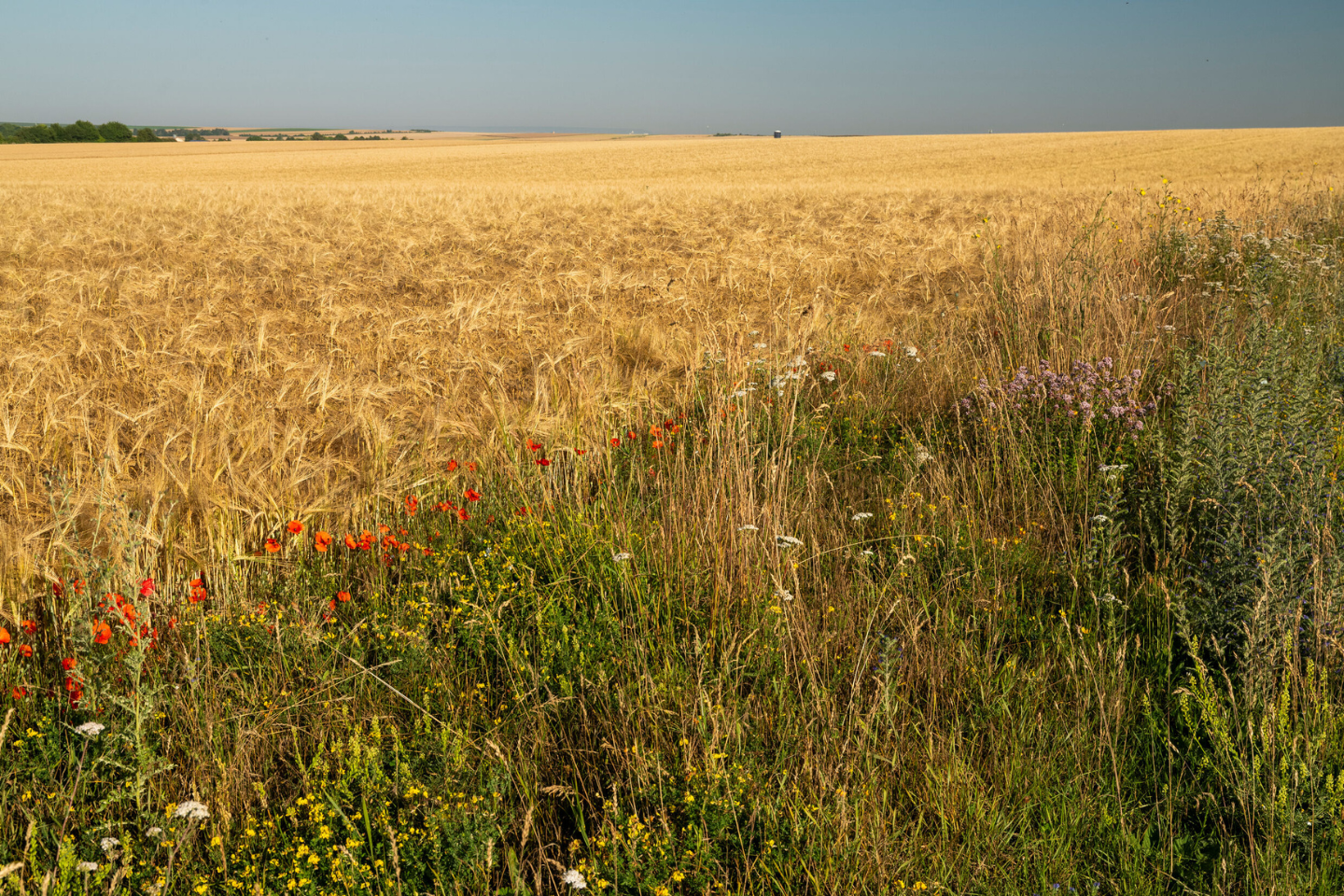
At VIVESCIA, we are committed to assessing our impacts and dependencies in order to identify the most relevant areas of focus and the most effective actions to ensure the sustainability of our operations. We are making concrete progress, guided by a philosophy of continuous improvement, by undertaking ambitious projects to foster regional growth.
The Symbiose Program in the VIVESCIA Cooperative's region
The partnership between the biodiversity association Symbiose, the Cooperative, and our processing businesses (Malteurop and Grands Moulins de Paris) continues. The companies within VIVESCIA Ingredients are funding three robust projects to preserve and restore ecosystems in the Cooperative’s territories. These three “blue and green infrastructure” projects, launched in 2022 are long-term initiatives, with an action plan, a provisional five-year budget, and monitoring indicators. This initiative also helps strengthen ties within the Group and its local agricultural roots.
Farm-Level Biodiversity Assessment
The drive for innovation continues. In 2022, VIVESCIA launched the Simplified Carbon Footprint Assessment. Building on the same principle, in the autumn of 2024, the Group launched the Biodiversity Assessment. It is based on AgriBEST®, a simple free tool developed jointly in 2019 by CDC Biodiversité and La Coopération Agricole and since optimized with input from VIVESCIA teams on indicators, user-friendliness, and the protection farmer's data. The tool rates: 15 factors, on a scale of 1 to 5, supplemented by data collected on 13 additional themes specific to VIVESCIA. Accessible to all VIVESCIA cooperative farmers via the Group's ARTERRE intranet site, this self-assessment tool is designed to evaluate the impact of agricultural practices on biodiversity at the level of the farm. It enables users to take stock of the current situation and conduct progress reviews of practices at the farm level. Analyzing all the assessments allows us to conduct an initial biodiversity assessment of VIVESCIA farms across all our regions—an essential step toward accelerating our responses and proposals to public stakeholders and our industrial clients. The next step is to develop relevant biodiversity indicators that take into account agricultural practices , agroecological infrastructure, and the local context as part of the TRANSITIONS program.
Nearly 94,000 hectares are covered.
To build an ambitious and solid foundation within our scope of direct environmental responsibility and foster the growth of a cross-functional culture, we have developed a Group Environmental Charter. Rolled out in 2022, it brings together the fundamental principles of environmental management on our sites.
Beyond establishing an environmental management system on each of our sites, it defines principles on the following topics:
- Energy
- Greenhouse gas emissions
- Water
- Biodiversity
- Waste
- Nuisances and Pollution